



Noora Jaber Muhanna Al Rashed writes about how Gulf states can balance rising energy demand, climate commitments and resilience through smarter, more efficient power systems.
For many decades, the Gulf Cooperation Council (GCC) operated according to a stable economic model: exporting hydrocarbons while using domestic surpluses to supply heavily subsidised national electricity grids. However, new structural shifts and increasing global tensions have caused major changes to that model and introduced the idea of an energy crisis in the region.
There are two components to this crisis. First, global disruptions to maritime corridors and supply chain vulnerabilities have highlighted the fragility of traditional energy supply chains. Second, the rapid pace of urbanisation, population growth and the large energy demands of new AI data centres mean that domestic electricity demand is outstripping both national fiscal budgets and the ambitious climate commitments each GCC state has made.
The primary challenge facing GCC states is therefore not simply a natural scarcity of resources, but the pressing need for structural resilience and domestic resource efficiency.
An economic paradox, one that exists mainly among major oil and gas-producing nations, has contributed to the current bottleneck in oil and gas supply. Every barrel of crude oil or cubic foot of natural gas used domestically, whether to cool high-rise buildings, generate electricity for heavy industry or support other parts of the economy, is energy that cannot be exported to generate revenue for government budgets.
At the same time, global energy trade is changing. Many major energy-consuming countries, including those in Europe and Asia, have introduced stricter carbon emissions limits for energy consumption. To maintain their economic strength and commercial viability in the face of these changes, GCC member states have committed to decarbonising power generation using non-fossil fuel sources.
To achieve this, the region will need to modify its traditional approach to resource extraction and adopt a mindset focused on modernising energy systems. The framework for this modernisation has already begun to take shape. GCC member countries are investing more than $3.5 billion in the GCC Interconnection Grid, which will allow member states to share power during different peak-use periods, accommodate the variability in demand created by new technologies and services and help avoid power outages in neighbouring countries.
The View from Manama: Turning Constraints into Agility
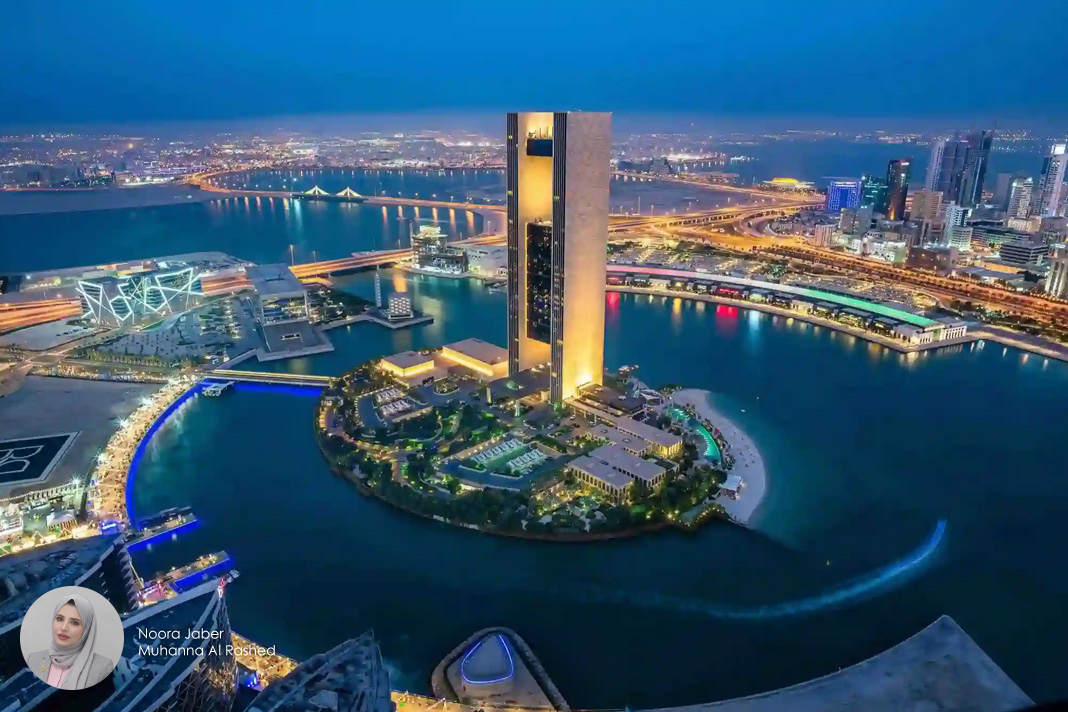
Bahrain’s path to a sustainable future will rely heavily on a strategy that takes both geography and economic reality into consideration. Replacing fossil-fuel energy sources with renewable alternatives presents several challenges. Unlike some of its neighbours, Bahrain does not have large tracts of desert land where vast photovoltaic solar fields can be built. As a result, the Kingdom must achieve its energy transition through urban innovation and agile structural change.
Bahrain is already making significant progress towards that goal through the Electricity and Water Authority’s continued pursuit of key utility-scale projects. These include the groundbreaking of the 100MW Al Dur solar photovoltaics project and the recently announced construction of a 150MW solar plant in Bilaj Al Jazayer. Together, these projects form part of the National Renewable Energy Action Plan, which aims to generate 20 percent of Bahrain’s electricity from renewable sources by 2035 while supporting the Kingdom’s target of reaching net zero emissions by 2060.
The urgent need for Bahrain to establish local alternatives to fossil fuels for electricity generation has become clearer as the region faces recent shocks to existing infrastructure in other countries. At the same time, technological advances are making it increasingly possible to support the local provision of clean energy.
Bahrain’s strategy must go beyond adding centralised power plants to its sustainable development plans. Air conditioning and cooling account for a large share of electricity demand during peak summer periods. Therefore, there is a strong case for creating a large-scale system of district cooling plants through municipalities, which could reduce cooling energy demand by nearly half compared with traditional individual units.
At the same time, Bahrain must develop distributed energy more aggressively. This can be achieved by updating the Net Metering programme to maximise the use of renewable energy through solar panels on the rooftops of commercial buildings, warehouses and large residential projects. By combining limited land resources with large rooftop solar installations, Bahrain can effectively build a decentralised urban power grid across the Kingdom.
The ultimate solution to the region’s energy challenges also depends on the continued development of fiscal policies and changes in consumer behaviour. These represent the other half of the solution. In the past, broad and untargeted utility subsidies prevented consumers from experiencing the true price of power, encouraging excessive use.
Replacing broad energy subsidies with targeted financial assistance for low-income consumers would encourage both businesses and households to invest in more energy-efficient ways of using power.
The commitment made by Bahrain’s two largest industrial companies, Alba and Bapco, to invest in solar energy and waste heat recovery shows that the Kingdom’s major economic drivers are willing to change.
There is nothing more urgent than modernisation. The regional energy crisis should not be seen only as a warning about resource depletion, but as an urgent call to action. For Bahrain, modernising the economy can be achieved by using regional grid connections, turning rooftops into generating assets and optimising local efficiencies.
This approach will support the long-term sustainability of Bahrain’s economy and enable the Kingdom to play a leading role in shaping a more sustainable Gulf.