



The Evolution of British Fashion Through the Ages
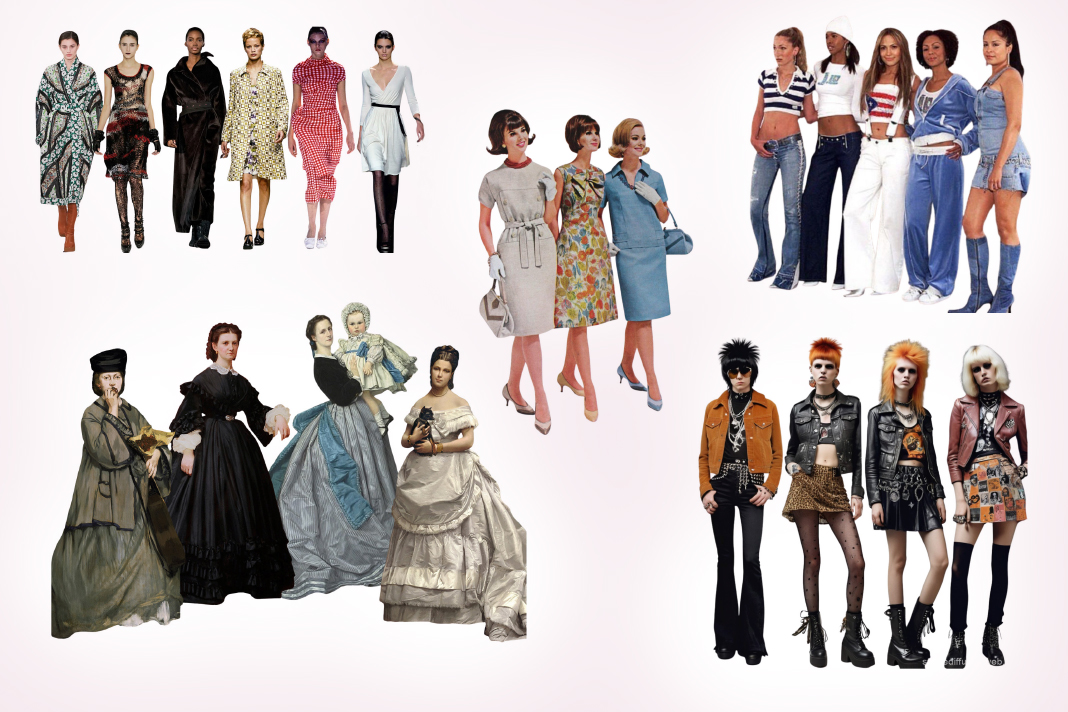
British fashion has long stood at the crossroads of tradition and rebellion — a unique balance between aristocratic elegance and daring self-expression. From the lavish gowns of the Victorian era to the disruptive streetwear and sustainability movements of today, Britain has continuously shaped the global fashion landscape. More than simply clothing, British fashion reflects social change, cultural identity, class evolution, music, politics, and individuality.
 The Origins:
Royal Influence & Tailoring Excellence
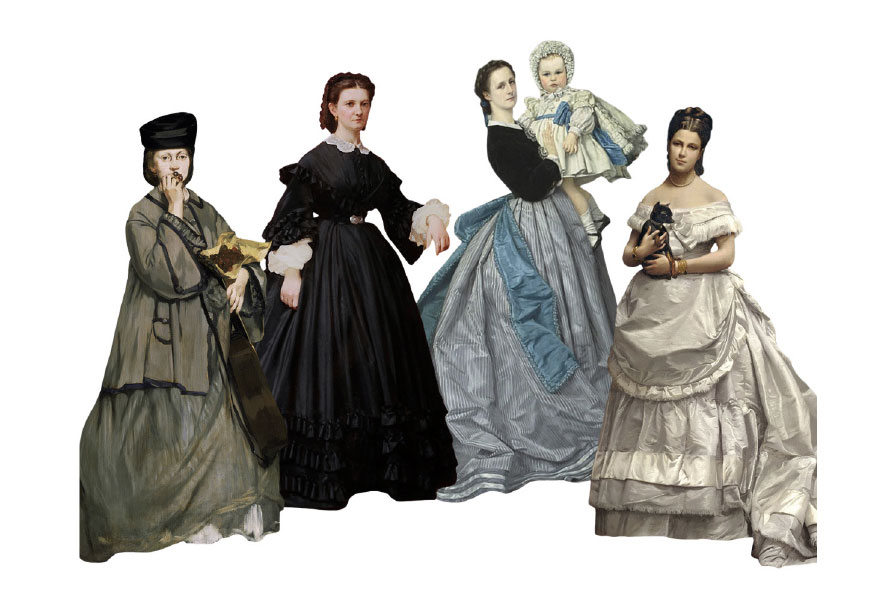
The roots of British fashion can be traced back to the royal courts of the 18th and 19th centuries, where style became a symbol of status and power. During the Victorian era under Queen Victoria, fashion embraced modesty, structure, and sophistication. Women wore corseted silhouettes, voluminous skirts, lace detailing, and luxurious fabrics, while men adopted impeccably tailored suits and coats.
Britain soon became internationally respected for its craftsmanship, particularly in Savile Row tailoring in London. Tailors revolutionized menswear by introducing precision cuts and refined structure, creating a timeless standard still admired today. The “British gentleman” aesthetic became synonymous with class, sophistication, and understated luxury.
 The 1920s–1950s:
Elegance Meets Modernity
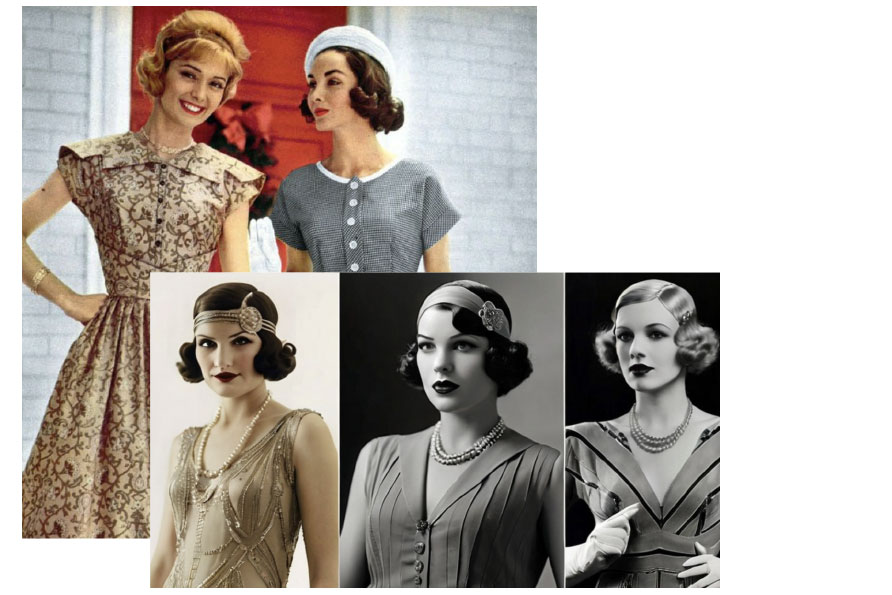
As society evolved after World War I, fashion became more liberating for women. The 1920s introduced shorter hemlines, looser silhouettes, and art deco glamour. British women embraced modern femininity while maintaining elegance and refinement.
The post-war 1950s marked a return to polished dressing. Influenced by Hollywood glamour and royal appearances, structured coats, pearls, gloves, and feminine tailoring dominated wardrobes. British fashion houses and department stores flourished, helping fashion become more accessible to the public. At the same time, Britain’s textile industry expanded rapidly, allowing fashion trends to spread across classes rather than remaining exclusive to aristocracy.
 The 1960s:
London Becomes the Fashion Capital of Youth
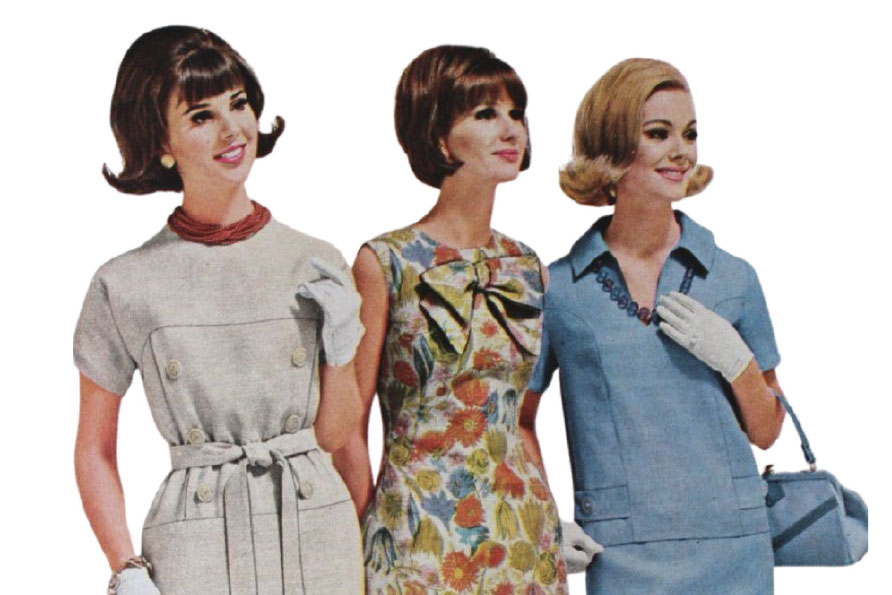
The 1960s transformed British fashion forever. London became the center of global youth culture, creativity, and rebellion. Fashion shifted away from tradition and embraced individuality, freedom, and experimentation.
Designers such as Mary Quant revolutionized women’s fashion by popularizing the mini skirt — a symbol of female empowerment and modern confidence. Bold colors, geometric prints, mod fashion, and playful silhouettes defined the decade. Music heavily influenced fashion during this period. Bands like The Beatles and the rise of British pop culture inspired young people worldwide to adopt British street style.
 The 1970s–1980s:
Punk & Rebellion
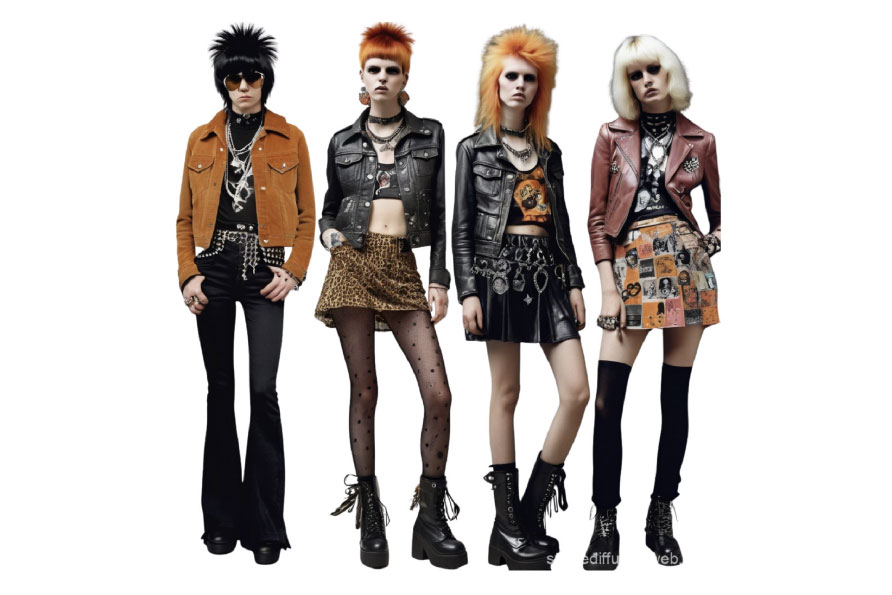
No discussion of British fashion is complete without mentioning the punk revolution. During the 1970s, fashion became a form of protest and anti-establishment expression. Torn fabrics, leather jackets, tartan prints, heavy boots, safety pins, and dramatic makeup challenged conventional beauty standards.
Designer Vivienne Westwood became one of the most influential figures in British fashion history, using fashion as a political and cultural statement. Punk style wasn’t about perfection — it celebrated individuality, disruption, and fearless creativity.
The 1980s then introduced power dressing, influenced by economic growth and working women entering leadership spaces. Structured blazers, exaggerated shoulders, bold tailoring, and luxury fabrics reflected ambition and confidence.
 The 1990s to the 2000s:
The Iconic Shift
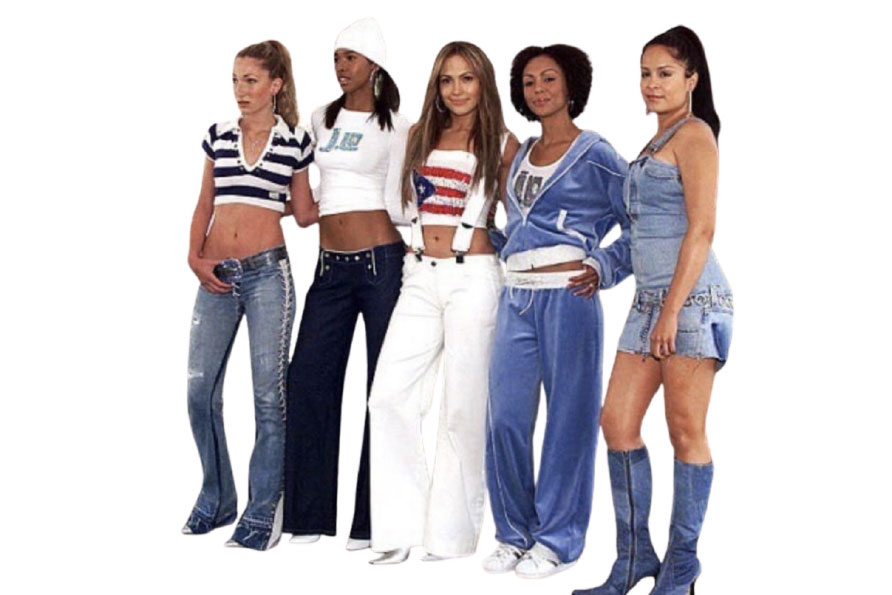
The 1990s and early 2000s marked one of the most influential periods in British fashion history — a time where fashion became deeply connected to music, celebrity culture, street style, and youth identity. Britain evolved from the rebellious spirit of punk into a more experimental, commercial, and globally influential fashion powerhouse.
The transition from the 1990s into the 2000s proved how British fashion could constantly reinvent itself. It balanced street culture with luxury, rebellion with elegance, and individuality with global influence. Even today, many modern fashion trends — from vintage denim and minimalist dressing to Y2K aesthetics — continue drawing inspiration from this iconic British fashion era.
 British Fashion Today:
Diversity, Streetwear & Sustainability
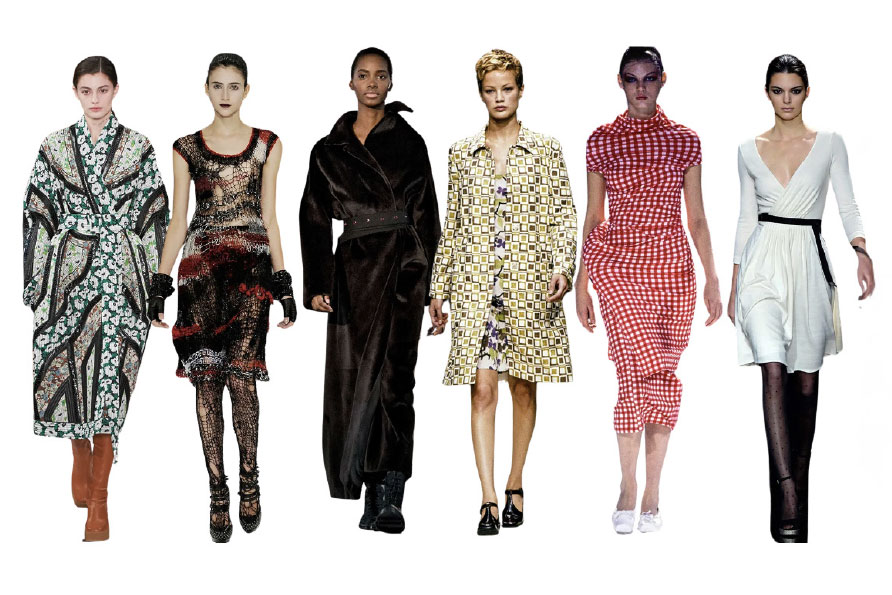
Modern British fashion is one of the most diverse and innovative in the world. Today, Britain blends heritage tailoring with multicultural influences, streetwear, gender-fluid fashion, and sustainable design. Designers such as Alexander McQueen pushed creative boundaries by combining theatrical artistry with craftsmanship, while younger designers continue redefining luxury through technology and ethical production.
Street style now plays a major role in British fashion identity. Oversized silhouettes, sneakers, vintage styling, and high-low fashion mixing dominate modern wardrobes. Social media and digital culture have also transformed fashion consumption, allowing trends to emerge instantly and globally. At the same time, sustainability has become central to the industry. British brands and consumers are increasingly focusing on slow fashion, recycled fabrics, ethical sourcing, and timeless investment pieces over fast fashion.
Today, British fashion stands as a symbol of fearless individuality where tradition and modernity coexist effortlessly, inspiring generations around the world.