



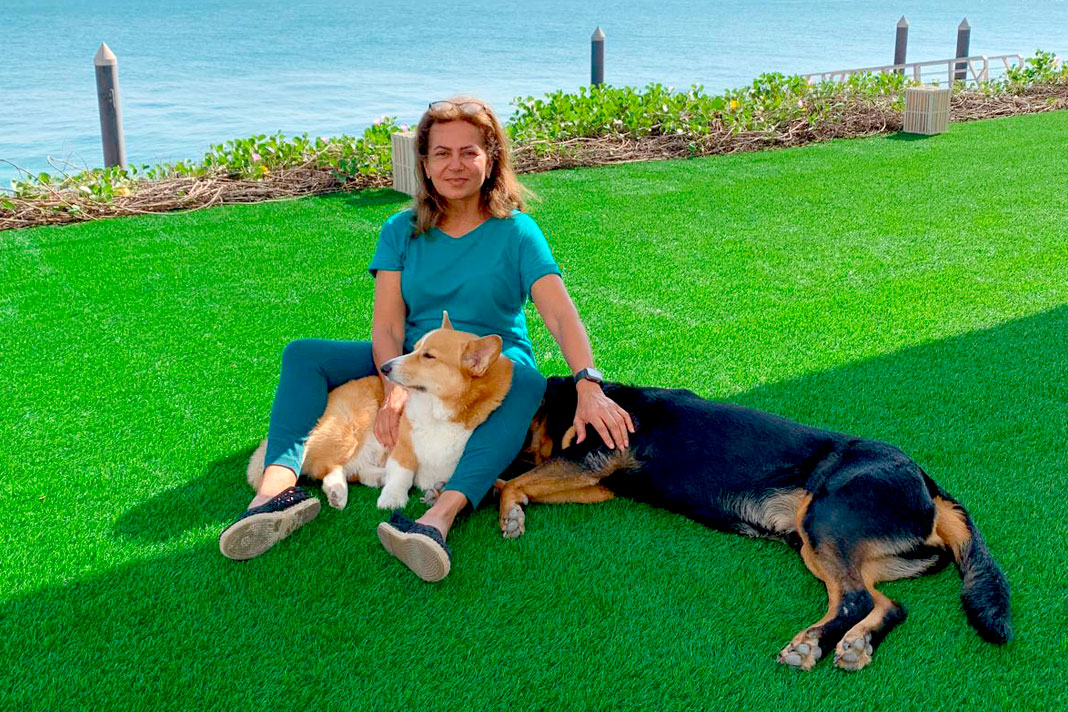
Aamal Almoayyed discusses her lifelong commitment to animal welfare, the new Aamal Almoayyed Sanctuary for Animals and Bahrain’s urgent need for responsible pet ownership and adoption today.
According to Ms. Amal, animal welfare has never been a passing interest, but rather a lifelong calling, rooted in childhood, family values and a deep belief that kindness towards animals is part of what defines us as human beings.
“I have always been an animal lover, and I believe I inherited this compassion from my father,” she says. “I grew up watching his kindness towards animals. He had a dog that followed him everywhere he went, and from the age of seven he encouraged me to help care for the dogs at home.”
That early sense of responsibility stayed with her. As a child, she bathed, fed and walked the family dogs. If she saw injured animals on the road, she would take them to the vet and sometimes bring them home to recover.
“I simply could not bear to see animals suffer,” she says. “I truly believe that kindness towards animals is part of what defines us as human beings.”
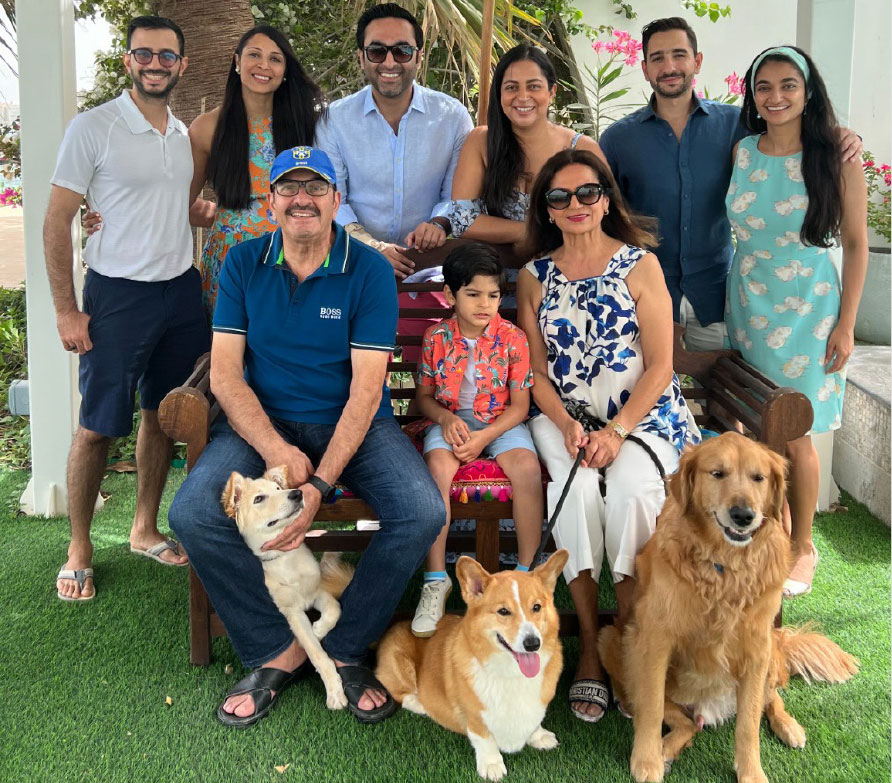
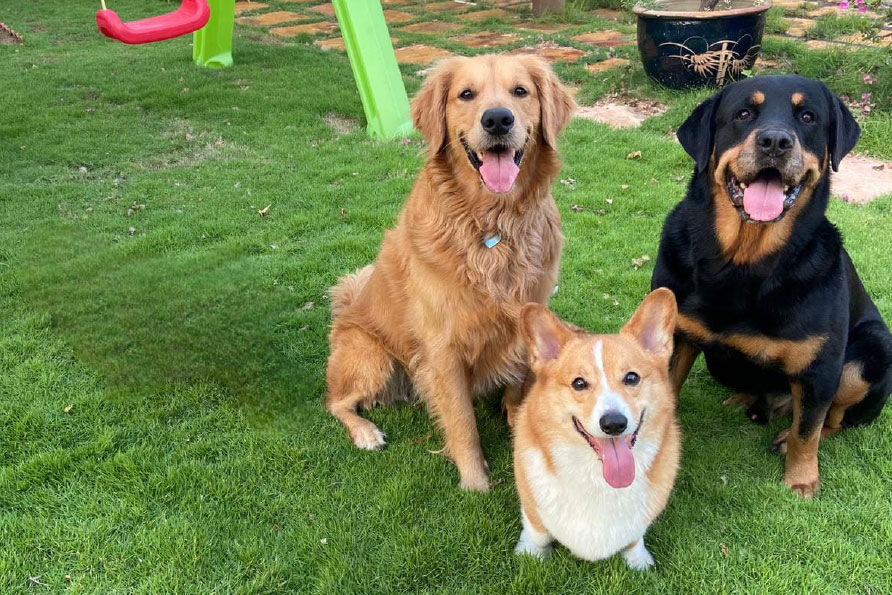 It is a value she has also passed on to her three children, Ahmed, Mariam and Mai, who are all animal lovers and have dogs of their own. Over the years, Ms. Amal also volunteered at ‘Tony the Dogfather’ shelter on Fridays, helping care for dogs and donating food and other necessities whenever possible.
A Life-Changing Bond
One story, however, changed the way she viewed animal welfare forever. Her son Ahmed often joined her on visits to the shelter and became close to two Rottweilers who had been rescued after being abandoned. They had gone hungry for days before being found. One later died from severe malnutrition.
Ahmed was heartbroken and asked to bring the surviving dog home.
“At first, I was hesitant because Rottweilers are known for their intense protective instinct towards their owners,” Ms. Amal recalls. “But Ahmed insisted, so I agreed to let the dog stay with us for one day to observe his temperament.”
The dog was calm, gentle and well behaved, but Ms. Amal was still unsure. That evening, she asked Ahmed to take him back to the shelter.
“Something happened that I will never forget,” she says. “It was as though the dog understood he was being returned to the shelter. He started crying and howling in pain, with tears in his eyes like a child begging not to be abandoned again.”
She could not bear to watch it. The dog, named Bo Bo, stayed.
“Bo Bo the Rottweiler had clearly suffered greatly before coming into our lives, yet he still showed nothing but trust, affection and loyalty towards my family,” she says. “He was a gentle giant dog, the gentlest I have ever seen. He brought us years of happiness until he eventually passed away from cancer in old age.”
That experience deepened her commitment. “I realised that animal welfare could not remain just an emotional reaction – it required long-term commitment, structure and community effort,” she says. “Every animal deserves to feel safe and loved in this world.”
 A New Sanctuary
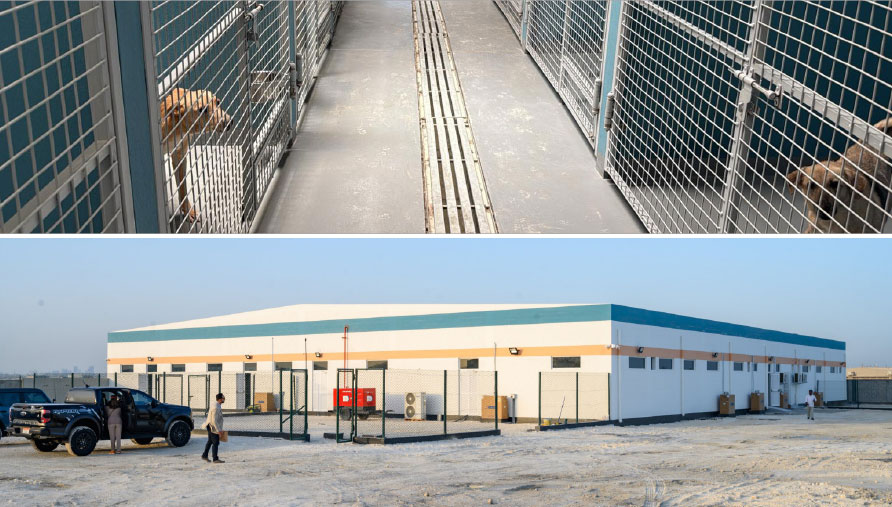
The Aamal Almoayyed Sanctuary for Animals now marks a significant new chapter for the Bahrain Animal Rescue Centre (BARC).
Ms. Amal was one of BARC’s founding members, working with a small team to rescue and care for animals in need.
“I had always promised that one day we would create a better space for rescued animals,” she says.
The sanctuary has been designed to support and expand BARC’s rescue, rehabilitation and rehoming work. It acts as a dedicated facility and operational extension, allowing the organisation to care for more animals in a more humane, organised and sustainable way.
While the old shelter saved many lives, it faced serious limitations. Space, infrastructure and the ability to properly separate and rehabilitate animals were constant challenges.
“We knew the animals deserved more than just survival – they deserved comfort, safety, enrichment and proper recovery spaces,” Ms. Amal says.
The new shelter, constructed over a campus area of 6,432sqm, has 116 kennels and has improved medical areas, better quarantine facilities, shaded outdoor spaces, proper ventilation and larger rehabilitation areas. Its cat facilities have also been significantly expanded. The old shelter could house just 20 cats, while the new centre has a dedicated area with capacity for 100. Solar panels have also been installed to help reduce electricity costs and make the shelter more sustainable.
Just as importantly, Ms. Amal wants the sanctuary to be a place where the community can visit, volunteer and connect with animals in a positive, educational environment.
 Growing Challenges
Running a large animal shelter in Bahrain remains demanding. Rescue numbers continue to rise, especially with abandoned pets and injured strays. Bahrain’s summer heat adds further pressure, requiring constant cooling, shade, hydration and close monitoring of vulnerable animals.
Medical care is another major challenge. Many rescued animals arrive with serious injuries, infections or long-term health conditions that require extensive treatment and funding.
“At the new shelter, we can accommodate up to 280 dogs, and we are already operating at full capacity,” Ms. Amal says. “Our shelter capacity for cats is 100, and currently we have 80 cats in the shelter.”
Adoption remains a major hurdle, particularly as many people still prefer buying young pets rather than adopting rescued animals. Ms. Amal believes public awareness around neutering, abandonment and responsible pet ownership needs urgent improvement.
Financial sustainability is also a continuing concern, with shelters relying heavily on donations, volunteers and wider community support to maintain high standards while upholding animal welfare philosophy.
Changing Attitudes
“My vision extends far beyond simply providing shelter,” she says. “I want the centre to become a hub for education, compassion and responsible animal welfare practices in Bahrain.”
This includes raising awareness about sterilisation, vaccinations and the long-term commitment involved in pet ownership. Expanding neutering initiatives is essential, she believes, if Bahrain is to humanely reduce the stray population over time.
The sanctuary is also working with a professional dog trainer, who is voluntarily training adoptable dogs. The aim is to ensure dogs are potty trained and taught basic commands, making them easier to rehome, particularly with families living in apartments.
Another key plan is to develop a proper database for every rescued animal, including microchip numbers, medical records, passport details, breed, age and health conditions. This would support tracking, monitoring and adoption follow-up.
When people visit the sanctuary, Ms. Amal hopes they understand that stray and abandoned animals are not ‘problems’, but living beings often made vulnerable by human actions.
“Many of these animals are incredibly loving, intelligent and capable of becoming wonderful companions if simply given a chance,” she says.
Residents can help by adopting instead of buying, supporting neutering programmes, reporting injured animals, donating, volunteering, fostering and educating others about responsible pet ownership.
She also believes stronger regulation is needed to address illegal breeding and abandonment. “One of the biggest reasons behind the increase in stray populations is illegal breeding and pet abandonment,” she says.
Ms. Amal would like to see stricter licensing, heavier fines for irresponsible breeders and stronger accountability for owners who leave Bahrain without making proper arrangements for their pets. She also believes pet stores should be licensed, monitored and encouraged to work with rescue centres.
Young people, she adds, have an important role to play.
“I strongly encourage the youth – who are the future generation – to become more actively involved in animal welfare,” she says. “Animals are an important part of our ecosystem and deserve to be treated with compassion and kindness.”
With social media, volunteer initiatives and community support, she believes Bahrain can build a more compassionate future for its animals – one where every rescued dog or cat is given more than survival, but the chance of safety, dignity and love.