




Former Indian parliamentarian and philanthropist, Priya Dutt Roncon, speaks with Woman This Month about breast cancer awareness, public health advocacy and the enduring influence of her parents’ humanitarian legacy.
Ms. Roncon has long been a driving force behind social change, particularly in health and education. During her visit to Bahrain for the United in Pink campaign, she reflected on the importance of awareness and early detection in the fight against breast cancer.
“Early detection is key,” she explains. “It makes breast cancer one of the most treatable forms of cancer. Unfortunately, in India, the word cancer is often associated with fear across all sections of society. Many women avoid annual check-ups, worried that something might be discovered.”
Her mission is to dispel these fears through education and accessible healthcare. “With early detection, treatment becomes less intensive, more affordable and offers the greatest hope, allowing patients to live cancer-free.”
She believes that initiatives like United in Pink show how powerful community involvement can be. “The role of the community is vital in ensuring the success of such initiatives,” she asserts. “Early detection camps are crucial and at times we need to take doctors directly to the people. Equally important is women talking to women, sharing experiences, addressing fears and encouraging one another.”
She believes survivors play a unique role in spreading hope. “Cancer warriors, who have bravely fought and overcome the disease, can become strong leaders in spreading awareness and inspiring others.”
Health Policy and Collaboration
Drawing on her experience as a Member of Parliament, Ms. Roncon acknowledges that government intervention is vital in expanding healthcare access. “We are a very large and diverse country,” she says.
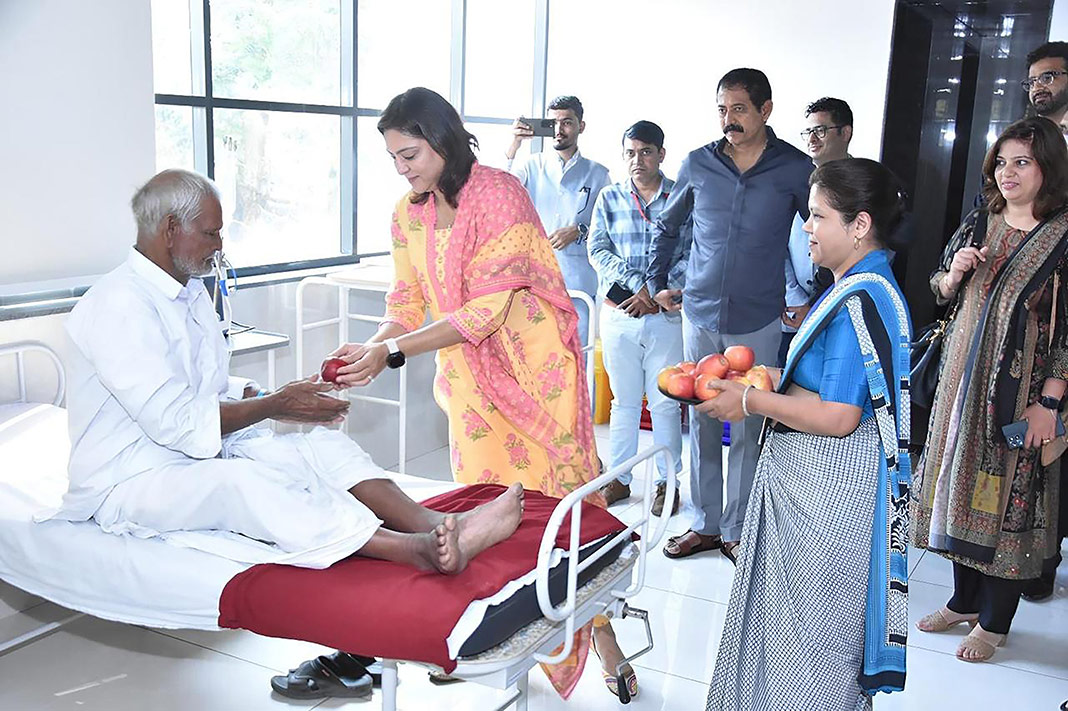 “The government has taken many initiatives in healthcare, covering our villages, towns, cities and urban slums. Schemes like Ayushman Bharat, which provides free treatment of up to ₹5 lakhs through a wide network of listed hospitals, have been a great support for low-income groups.”
Yet she notes that much of India’s cancer detection remains driven by NGOs. “In rural areas, ASHA workers and primary health centres play an important role, yet cancer detection largely continues to be driven by NGOs. Institutions like Tata Memorial Hospital, a pioneer in cancer care, have expanded their reach by setting up satellite hospitals across several states. Clearly, progress is being made with strong government support but the scale of the challenge is immense given our large population and the rising number of cancer cases.”
Building Bridges Across Borders
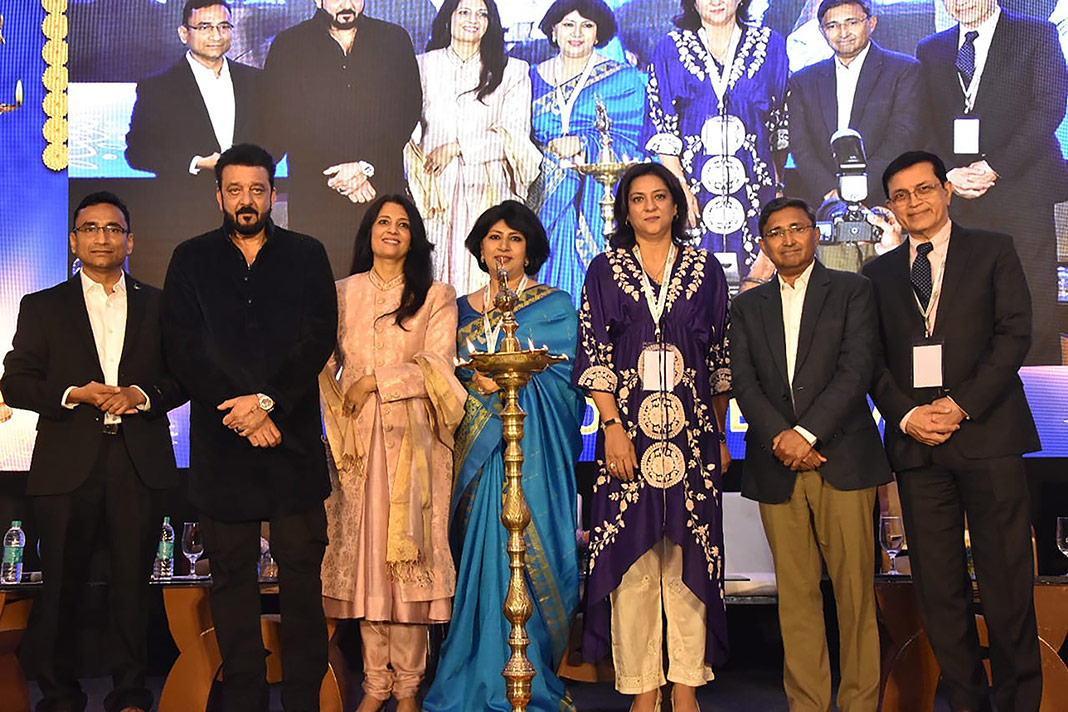
Her visit to Bahrain forms part of a broader push for cross-cultural cooperation in public health. “Cross-cultural dialogue and exchange play a crucial role in advancing cancer care,” she says. “I was recently invited to a conference in London, where doctors and NGOs from various countries came together to share their experiences in cancer treatment and care. We gained valuable insights from one another and brought those learnings back to apply in our own country. I am confident that similar knowledge-sharing can be fostered here as well.”
 Continuing a Family Legacy
Few names in India evoke compassion and service like Nargis and Sunil Dutt. Their dedication to social welfare inspired the Nargis Dutt Foundation, which continues to champion healthcare accessibility more than four decades later.
“The Nargis Dutt Foundation was established by my father in 1981, following the passing of my mother due to cancer,” she says. “At that time, very little was known about cancer in India and we had to seek treatment for her in the United States, as adequate care was not available locally. My mother was deeply concerned that many families back home could not afford treatment for their loved ones. It was this sentiment that inspired the vision of the Foundation.”
The organisation began as a small initiative among Indian expatriates in the US and has since grown into a nationwide network. “We began by setting up the first chapter in the US with the support of the Indian community to equip rural hospitals with medical diagnostic equipment. Over the years the Foundation started raising funds in India and till date we have been able to equip over 100 rural hospitals with cancer diagnostic and treatment equipment. Our mission was clear, no one should have to lose their life to cancer due to lack of funds.”
Today, the Foundation funds treatment for underprivileged patients, particularly those with breast, cervical and head and neck cancers. “Our work continues in close collaboration with hospitals like Tata Memorial and other leading institutions across India, ensuring access to care for those who need it most.”
Harnessing the Power of Digital Media
In an age defined by social media, Ms. Roncon recognises its dual nature as both a powerful educational tool and a potential source of misinformation. “We live in the age of social media and whether we like it or not, it cannot be ignored,” she says. “It is a powerful platform to reach millions with your message. However, it is also a space where misinformation spreads easily. This makes it all the more important to ensure that accurate, meaningful messaging reaches the audience. Used thoughtfully, social media can be a powerful tool to educate, raise awareness and inspire positive action.”
Practical Steps for Women’s Health
When asked what advice she would offer women regarding early detection, her message is simple yet powerful. “Listen to your body. This is the simplest way to stay aware, yet often we tend to ignore the signals. Self-breast examination is an easy and effective method for early detection. Women over 40 should include a mammogram in their annual health check-up, along with a Pap smear. Those with a family history of breast cancer should begin screenings at an earlier age.”
A Lifelong Commitment to Service
Reflecting on her varied roles as politician, social worker and philanthropist, Ms. Roncon says each has contributed to her broader purpose. “Every role I have held has been meaningful and I have learned something valuable from each of them. Politics gave me a powerful platform to serve the people, providing access and influence to make a real difference and connect with those in need. After my political journey, I naturally transitioned into social work. Today, every smile I witness and every glimmer of hope in someone’s eyes reminds me that this work is truly worth it.
“Life is beautiful and so are you. When you are healthy, everyone around you thrives, because you are often the glue that holds your family together. Never ignore your health, prioritise yourself. Take care of your body and mind first and everything else will naturally fall into place.”